
Words by Bella Zanin
Often dismissed as “small politics”, local elections are central to solving some of the country’s big challenges. Here I discuss three key reasons why local elections matter for climate and nature action: they signal public priorities, shape how national policies are delivered, and make climate and nature issues tangible in people’s everyday lives.
Local elections often receive lower turnouts than general elections. They’re considered less important and, less relevant to solving the country’s ‘big problems’. But the people serving in local authorities are crucial – not only to how people experience their day-to-day lives, but also to solving issues of national and global significance.
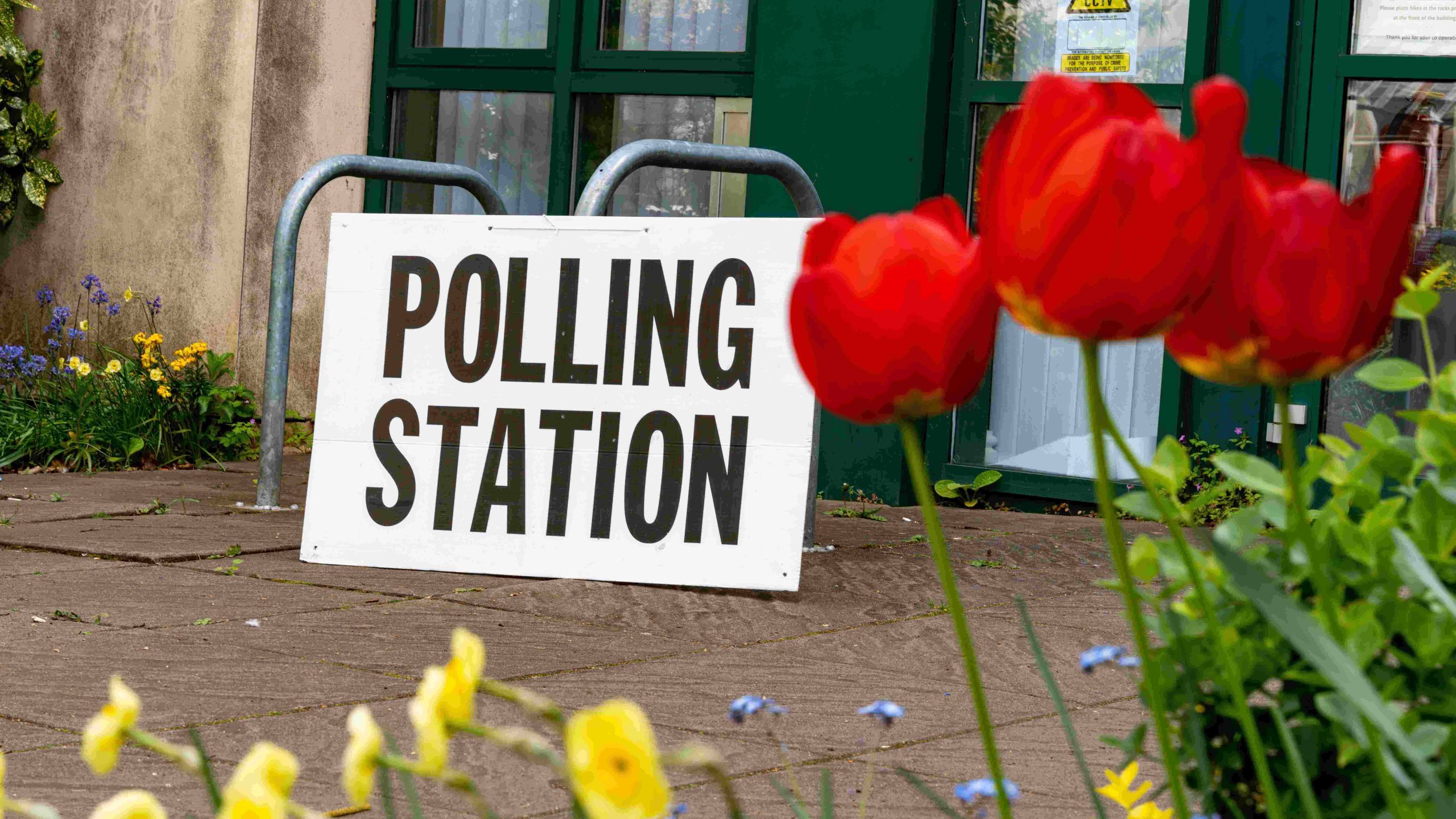
This Thursday, 7th May, nearly 5000 council seats and six mayors will be elected across England. At a time when Brits are dissatisfied with the Government and worried about rising costs of living, YouGov are predicting a ‘seismic’ shake up.
What does this mean for climate and nature? Why are local elections key to making progress?
Delivery of national climate and nature policies
The UK has a wide range of targets, strategies and policies designed to reduce emissions, expand renewable energy and protect nature and biodiversity. These commitments are often set nationally, but much of their on-the-ground delivery happens locally, with some estimates suggesting around one third of emissions reductions rely on local authority involvement.
Local authorities make decisions on transport, rubbish collection, housing developments, local energy projects, green spaces, land use, and education – all key aspects of stabilising the climate and protecting nature. In many cases, local leaders can move faster than national Governments too.
Transport for London’s action to reduce car use – a combination of additional charges for driving and improved public and active transport services, amongst other measures – shows how local governance can change behaviour at scale, helping to fight climate change and improve air quality. CAST’s research in Cornwall and Manchester also shows how local sustainable transport initiatives can help meet climate goals.
By focusing on a smaller scale, local elections anchor climate change in the ‘here and now’.
A signal of public mood
Local election results are not only about local services. They also tell national policymakers what matters to voters. This can influence political narratives and priorities in Westminster, shaping the Government’s agenda and how all political parties position themselves ahead of the next general election.
Polling data collected by Climate Barometer indicates that 49% of MPs underestimate public support for net zero. This kind of perception gap can have very real impacts on political parties’ commitment to climate and nature goals.
In an increasingly polarised political environment, local elections send a clear signal about how voters are thinking and feeling.
Public engagement with climate and nature action
Polar bears on tiny patches of melting sea ice were once the poster children for climate change. Today, they’re rarely used as climate icons. Climate campaigners realised that, against immediate salient concerns like holding down a job and putting food on the table, worries about a creature that most people will never encounter just couldn’t compete.
Conversations about national climate policies – that talk in terms of abstract targets and global impacts – can still feel psychologically distant. Local elections, however, offer an opportunity to engage people with climate and nature action by linking it to visible, tangible, practical issues and solutions.
People care about things that affect their day-to-day lives and their local community – affordable food, warm homes, safe routes to work, clean air, litter-free streets, protection from disasters like flooding. And people enjoy being involved with sustainable initiatives such as community veg gardens, community energy projects and community climate hubs. By focusing on a smaller scale, local elections anchor climate change in the ‘here and now’.
What now?
Local elections are often seen as ‘small politics’, but they shape big outcomes. They influence the streets people travel on, the homes people live in and the services people rely on, while sending signals about what voters want from their Government.
As climate and nature pressures intensify, the question is not whether local elections matter, but whether we fully recognise them as one of the key places where climate policy is made real.
Follow us on Bluesky and LinkedIn and subscribe to our newsletter for future updates from the CAST team.