
© Photography by Cop30 Brasil Amazônia on Flickr
Words by Bella Zanin (Knowledge Exchange Associate)
At the annual UN climate talks, Action for Climate Empowerment (ACE) still sits in the shadows of the big headlines around fossil fuels and finance. But look closer, and you’ll find a growing recognition that people – not just technologies – are central to climate action.
What is ACE?
Amongst all the roadmaps, stocktakes and carbon calculations, there’s a strand of the UN climate process dedicated to helping people take climate action. It’s called Action for Climate Empowerment – or ACE – and its purpose is to ensure efforts to tackle climate change are strengthened by the inclusion and positive momentum of all members of society.
ACE covers education, training, public awareness, public participation, public access to information and international cooperation. In other words, everything that enables people to actually engage with climate solutions.
These things are crucial because climate change cannot be solved without people. Technologies (such as electric vehicles) will not reduce emissions unless people adopt them. Policies will not persist unless people support them.
The part of COP that rarely gets attention
Despite action on ACE being mandated in official UN climate treaties, it remains one of the least visible parts of the negotiations. COP30 featured only a handful of ACE-dedicated sessions, and ACE was mentioned just once in the final outcome texts, in the Belém gender action plan.
That lack of visibility matters. ACE’s potential is still far from being fulfilled and its mainstreaming in international climate strategy would be a huge step towards more people-centred climate solutions.
A narrow focus
ACE initiatives often concentrate on societal groups with the least power – women, young people and marginalised communities. It’s undoubtedly important to support these groups and amplify their voices in climate discussions.
However, this focus can overlook an uncomfortable truth: those with the most resources and influence often have the greatest capacity and responsibility (read: carbon footprint) to drive change. As well as action to engage the most vulnerable and marginalised, we also need action to ensure the most capable are doing their bit.
At COP30, conversations about ACE emphasised information integrity. The headline ACE session was all about tackling misinformation, aligning with Brazil’s ambition for COP30 to be the ‘COP of truth’.
While ensuring society has access to accurate and impartial information on climate change is vital, knowledge alone does not transform behaviour. In fact, research suggests that information provision is only around 2-3% effective at increasing sustainable behaviour. Values, emotions and practical considerations are also highly influential when it comes to lifestyle decisions.
To really empower society, we need to tell hopeful, inspiring, relatable stories of successful climate solutions. And we need to provide the structural support (finance, infrastructure, etc) that allows people to make sustainable choices.
Framing ACE primarily as an educational exercise, risks reinforcing the narrative that individuals simply need to “make better choices” while downplaying the structural and political contexts that make such choices accessible, affordable and attractive.
Momentum is building
Behind the scenes, COP30 did deliver meaningful progress for ACE and people-centred climate action. A big win was the creation of a new mechanism to enact the Just Transition Work Programme, which aims to help countries phase out fossil fuels in a way that protects workers and communities.
The Declaration on Information Integrity on Climate Change was introduced and endorsed by several nations (even if not formally enshrined in the final COP text). And the COP30 Presidency launched a Citizens’ Track – a globally representative community network that enables ordinary citizens to feed into the negotiations for the first time via a “People’s Report”.
These steps are not yet revolutionary, but do signal that ACE is slowly moving from being discussed on the margins to playing a central role in the implementation of climate policy.
People power outside the negotiations
Climate empowerment often shines most brightly beyond the negotiating rooms. And COP30 – the first COP to allow protest since Glasgow hosted the conference in 2021 – was no exception. Streets in Belém filled with music, dance and demands for justice, reminding us that public engagement is not a side issue but at the heart of climate politics.
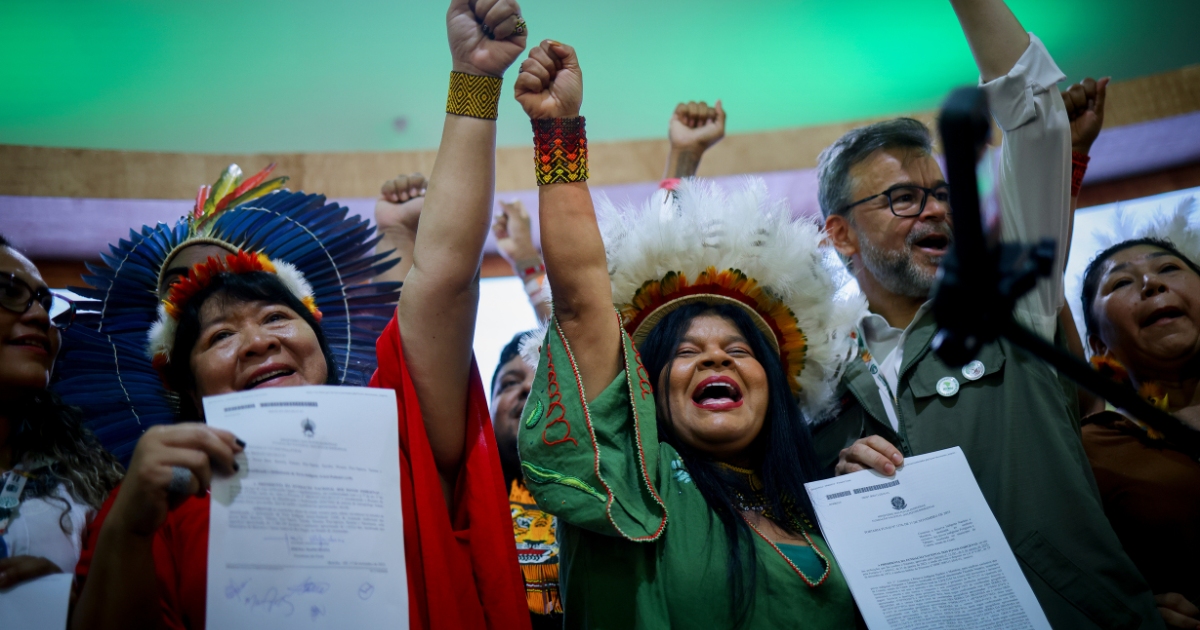
COP30 saw record Indigenous participation – an estimated 5,000 delegates from around the world – as well as $1.8 billion pledged for land rights and announcements from Brazil on new Indigenous territories.
At the national level, more Governments are assigning ACE focal points and embedding ACE principles into their Nationally Determined Contributions (NDCs), the action plans that show how individual countries will contribute to the goals agreed at the COP summits.
National initiatives are also emerging outside of the COP process – for example, the UK Government recently published its first Public Participation Plan for climate change and nature, drawing on CAST’s advice.
A quiet turning point
It’s easy to feel dispirited by the pace of the COP process. But beneath the formalities, something important is happening. The role of people – communities, workers, citizens, consumers, voters – is being recognised as central to delivering rapid climate action.
If you’re wondering what you can do, try having a conversation with someone you know about climate change. Conversations are powerful. They shift norms, spark ideas and remind people that they’re not alone. In a world where people power is beginning to rise, that matters more than ever.
Follow us on Bluesky and LinkedIn and subscribe to our newsletter for future updates from the CAST team.